

FOREQUARTER BEEF

Cheeks
Cheeks are one of the most regularly moving muscles on a bovine and this results in high levels of connective tissue. Beef have loads of flavour and a succulent gelatinous texture when prepared correctly. Beef cheeks are best cooked low and slow and are great in casseroles, braises, stews, curries and as a centre plate highlight. Definitely on of the best pieces of beef to enjoy during the cold winter months.


Chuck Eye Log
Chuck eye log has a section of rib fillet going through it and is a tender juicy cut that is packed full of flavour. . Chuck eye log can be slow roasted or sliced into steaks and seared. Chuck eye log can also be sliced thinly and used in stirfries and other high heat quick cook recipes. Definitely an under rated cut of meat that is also very affordable.
Chuck Ribs
Chuck ribs are a meaty rib that is packed full of rich flavour. Like all ribs chuck ribs require a slow cook with high moisture to break down the connective tissue. Chuck ribs when cooked correctly have a tender, juicy meat that is delicious and holds its own with many bold flavours

Chuck Steak
Chuck steak has less marbling of fat than the chuck eye log and is better suited to slow cooking. Chuck steak has a lot of connective tissue and is great for casseroles, stews, braises and curries. When cooked properly chuck steak has a full flavour and tender gelatinous texture.


Ossobuco
The word Ossobuco is actually the Italian word for bone with a hole, which is a reference to the hole left by the bone marrow when cooked and is technically the beef shin cut in a cross section with the bone left in. Ossobuco is high in connective tissue and is best suited to slow cooking. Ossobuco is great in casseroles, stews, braises, soups, broths and curries. Ossobuco has a full flavour and moist, gelatinous texture
Boneless Whole Shin
Boneless whole shin is the same cut as Ossobuco with out the bone and the marrow that comes with it. Shin is high in connective tissue and is best suited to slow cooking. Shin can be used for casseroles, stews, braises, soups, broths and curries or braised whole and cut into round sections to be a centre plate highlight. Shin is an excellent piece of meat that can handle bold flavours while maintaining its integrity.

Bolar Blade
Bolar blade is a shoulder cut that is full of flavour and very versatile. Bolar blade makes an excellent roast, can be diced for casseroles, stews, braises or curries, sliced for stir-fries or stroganoff and cut into steaks, although these will not be as tender as other cuts of steak. Bolar blade has a full bodied flavour and is a great cut of beef.


Blade Steak
Blade steak is cut from the shoulder blade and is a versatile cut that can be braised or seared. Blade steak can also be diced and used in casseroles, stews and curries or sliced into strips for stir-fry or stroganoff. Blade steak has a full bodied flavour and is a great cut of beef.
Oyster Blade
Oyster blade is a shoulder cut that is full of flavour and very versatile. Oyster blade makes an excellent roast, can be diced for stews, braises or curries, sliced for stir-fries or stroganoff and cut into steaks, although these will not be as tender as other cuts of steak.Oyster blade has a full bodied flavour and is a great cut of beef.
Oyster Blade Steak
Oyster blade steak is cut from the oyster blade and is a versatile cut that can be braised or seared. Blade steak can also be diced and used in casseroles, stews and curries or sliced into strips for stir-fry or stroganoff. Oyster blade steak has a full bodied flavour and is a great cut of beef.
Flat Iron Steak
Flat Iron steak is also cut from the oyster blade but has had the silver skin and connective tissue removed making it much more tender. The flat iron steak is a great cut of beef that is tender juicy, full of flavour and responds well to cooking with high heat. Flat iron steak can be cooked to your desired temperature.


Brisket
Brisket has good levels of connective tissue and is best cooked low and slow with good levels of moisture. This having been said brisket is also one of the most popular meats for smoking due to its high fat content. Once cooked brisket has a myriad of uses and can be cut into portions as a centre plate highlight or pulled for tacos, burgers, wraps, and pizzas tio name but a few. When cooked properly brisket has a rich flavour and moist melt in your mouth texture, the point end of the brisket however is lower in fat and can dry out if over cooked.
Short Ribs
Short ribs are packed full of flavour with a good ratio of fat, meat and connective tissue that results in a succulent melt in your mouth experience. Short ribs are best cooked low and slow with good amounts of moisture. Once cooked short ribs can be paired with many different flavours whilst maintaining their integrity.
Standing Rib Roast
The standing rib roast is a bold statement at any dinner party or event. Technically a whole rib fillet with the bones attached the standing rib roast draws additional flavour from the bone whilst offering the succulent flavour and tender meat that comes with a rib fillet. Definitely the king of roasts in the beef world and should not be cooked anywhere above medium. This cut can also be portioned into the steak known as rib eye on the bone.
Whole Rib Fillet
Also know as a cube roll, whole rib fillet is the primal cut that is portioned into rib eye stek. Whole rib fillet can be roasted, cut into steaks or strips for stirfries or salads.

Rib Eye On The Bone
Rib eye on the bone is also known as rib cutlet cowboy steak or tomahawk steak and is among the highest regarded beef steaks. The rib eye on the bone has all of the characteristics of a rib eye steak with flavour imparted from the bone. Full flavoured, succulent and tender the rib eye on the bone is best cooked at high heats and is suited to chargrilling, and pan frying. Rib eye on the bone can be cooked to your desired temperature.

Rib Fillet Steak
Also known as scotch fillet, rib fillet steak is cut from the cube roll and is among the highest regarded beef steaks. Rib eye steak is Full flavoured, succulent and tender the rib eye on the bone is best cooked at high heats and is suited to chargrilling, and pan frying. Rib eye on the bone can be cooked to your desired temperature.
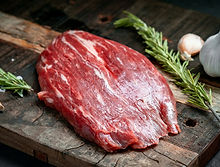
Flank Steak
Flank steak has a bold flavour and can be slow cooked and shredded to be used for taco's, burritos and pulled beef rolls or thinly sliced across the grain and used for stir-fries. Flank steak is known to be chewy and it is very important to slice it across the grain to shorten the fibre of the meat.

Skirt Steak
Skirt steak is a long thin piece of steak found inside the abdoman wall under the ribs. Skirt steak has a great ratio of fat marbled throughout the meat giving it a full flavour. Skirt steak should be cooked at a high heat and is best served medium rare at most. When cooked skirt steak needs to be cut across the grain to shorten the fibre of the meat and as such making it more tender. Skirt steak is a delicous cut of meat that is prized by many.

Hanger Steak
Hanger steak is full of flavour however not particularly tender and is best cooked with a high heat prefferably with a chargrill and is best eaten medium or medium rare. Being that there are only one hanger steak per beast they are quite elusive and should you want to try one you will probably need to arrange it with your local butcher.

Tenderloin
The tenderloin is one of the most prized cuts of beef due to its low levels of connective tissue and fat content making it extremely tender whilst giving it a more gamey flavour than other cuts of beef. The tenderloin is used to cut into eye fillet steaks which is an extremely popular cut in many restaurants around the world. Eye fillet consist of three sections which are the butt that can be used for roasting or cut into steaks, the centre cut which is generally used for eye fillet steaks or the tail which is good for cutting into strips and using for stir-fries or salads.

Eye Fillet
Eye fillet is one the most sought after beef steaks due to it's low levels of connective tissue and fat content. The level of fat contained in an eye fillet steak will vary as it does with all cuts of beef depending on the variety and relative marble score. Generally speaking eye fillet is very lean and as such has a more gamey flavour than other cuts of beef. Eye fillet is the most tender cut of beef which has led to it's popularity. Eye fillet is best suited to high heat and depending on the thickness of the cut can be finished in the oven after searing to get a nice even cook. Eye fillet can be cooked to your desired temperature

T-Bone
The T-bone gets its name from the T shaped bone that runs down the centre of the striploin and tenderloin, This means that the T-bone contains both a sirloin steak and eye fillet separated by the bone. This same cut of beef is where the American cut porterhouse comes from the difference being that the porterhouse has to have a particular amount of tenderloin to be considered a Porterhouse. T-bone is an extremely popular cut of beef which has excellent flavour and a succulent tender texture. T-bone is great for bbq's and is best cooked with high temperatures. T-bone can be cooked to your desired temperature.

Whole Striploin
Whole striploin comes from the back of the animal above the tenderloin and makes up the larger portion of the T-bone. Striploin is low in connective tissue with a balanced level of fat giving it a full flavour whilst maintaining a succulent tender texture. Whole striploin can be used as a roast and cooked to your desired temperature while still being moist and tender. Whole striploin can also be cut in a cross section into sirloin steaks. Whole striploin can also be cut into strips for salads, stir-fies and stroganoff or diced and used for casseroles, stews and curries although it is recommended to use a cut with more connective tissue for the later.

Sirloin Steak
Sirloin steak is cut from the whole striploin and has low connective tissue and balanced levels of fat giving it a full flavour and a succulent tender texture. Sirloin steak is an exceptional cut of beef that can be cooked on the bbq or in a pan. Sirloin steak can be used as a centre plate highlight or sliced when cooked and put into salads, broths and stir-fies to name a few. Sirloin steak can be cooked to your desired temperature.


Eye of Knuckle
Eye of knuckle has low levels of connective tissue and is very lean. This having been said eye of knuckle is not suited to quick high heat cooking and does not perform well as a steak. Eye of knuckle is best suited to roasting or moist slow cooking methods. Eye of knuckle can be diced or cut into medallions and used in casseroles, stews, braises and curries but due to the low levels of fat can be dry if over cooked.
Silverside
Silverside is a lean boneless cut that sits below the topside. most commonly used for corned beef silverside has many other uses such as roasting, casseroles, stews, braising or curries and responds well to moist slow cooking methods. Siverside has high levels of connective tissue making it unsuitable to quick high heat cooking methods, When cooked properly silverside has a full flavour and melt in the mouth texture.
Topside
Topside is very lean and high in connective tissue making it best suited to roasting or slow cooking with high levels of moisture allowing the meat to break down. When cut properly topside can be cut into strips to be used for stir-fries. Topside can be used for casseroles, stews, braises and curries and cooked properly has a good flavour and tender, melt in your mouth texture.


Topside Steak
Although topside steak is cut into a lean steak it is not suitable for high heat quicj cooking methods as it has high levels of connective tissue that require slow moist cooking methods to break down the meat. Topside steak can be used whole or diced fro casseroles, stews, braises or curries. When cooked properly topside steak has a good flavour and tender melt in your mouth texture.
Whole Rump
Whole rump is an extremely versatile joint of beef which is made up of five muscles. Rump has a great balance of fat and connective tissue giving it a full bodied flavour and tender texture. Whole rump can be used as a roast and is large enough to feed a big group of people. Whole rump can be cut into steaks, thin strips or diced cubes. Rump can be used for skewers, salads, stir-fries, casseroles, stews, braises and curries. Rump is one of the most popular cuts of beef.
Rump Steak
Rump steak is one of the most commonly used beef steaks in Australia due to its affordabilty as well as its full flavour and versatility. Rump steak responds well to quick high heat cooking methods and can be cooked to your desired temperature. Rump steak can also be cut into thin strips or diced cubes. Rump can be used for skewers, salads, stir-fries, casseroles, stews, braises and curries.
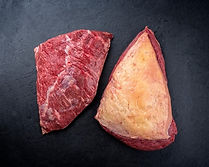
Rump Cap
Rump cap as it's name suggests comes from the top part of the rump and has a thick layer of fat that moistens and adds flavour to the meat. Rump cap can be roasted or cut into steaks however it is important to take note of the direction of the grain and to cut across it or this cut of beef will be tough. Rump cap can be used for skewers, salads stir-fries, casseroles, stews, braises and curries however there are other cuts of beef that would be better suited.

Rostbiff
Rostbiff is a cut from the rump where the rump cap has been removed along the natural seam. Rostbiff is highly regarded by many as it has a full bodied flavour and low fat content. Rostbiff can be roasted whole bringing out the full extent of its flavour or cut across the grain into steaks. Rostbiff can be used for skewers, salads stir-fries, casseroles, stews, braises and curries however there are other cuts of beef that would be better suited.

Rump Medallion
Rump medallion comes from the eye of rump which is a cylindrical muscle that makes up part of the five rump muscles. Rump medallions are cut across the muscle to create a steak that is very similar looking to eye fillet. Rump medallions respond well to quick high heat cooking methods such as pan frying or bbq grilling. Rump medallion has the same rich flavour as rump with less fat and is a great cut of beef.

Oxtail
Oxtail is a cut that starts at the base of the spine with the last few tail bones removed. Oxtail is high in connective tissue and requires low and slow cooking methods. Oxtail can be used to make, stocks, soups, casseroles and braises and has a rich full bodied flavour and succulent tender and somewhat silky texture.