

FISH

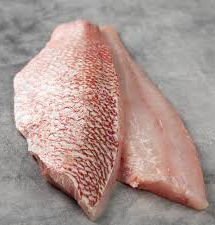


Barramundi
Barramundi is also known as Asian sea perch and giant sea bass and is not exclusive to Australia. The name Barramundi started to be used commercially in Australia in the 1980's. Barramundi is a white flesh fish that varies in texture from delicate and flakey to buttery and soft. The flavour of Barramundi is generally mild and will depend largely on the environment it lives in. Being that a lot of Australian Barramundi is farmed in fresh water it may have a slightly muddy flavour compared to barramundi that is either wild caught or farmed in saltwater. Barramundi can be baked whole as a plate fish or cut into fillets when larger. Barramundi can be pan seared, steamed, fried or smoked. Barramundi pairs well with a range of flavours such as fennel, citrus and acidic or spicy sauces.
Snapper
Snapper is a versatile and popular fish found in Australian waters, with several varieties, the most common being red snapper and golden snapper.
Red snapper has a mild, slightly sweet flavor with a firm, moist texture that makes it ideal for grilling, baking, or frying. Golden snapper offers a more delicate taste with a slightly firmer texture, perfect for steaming or pan-searing.Snapper is relatively low in fatty oils and as such has a tendency to dry out if over cooked. Snapper pairs well with creamy or buttery sauces, citrus and tomatoes among a variety of other ingredients. Snapper is found along the coasts of Queensland, New South Wales, Western Australia, and the Northern Territory, often in deeper waters or near reefs and rocky areas.
While snapper is highly prized, its sustainability can vary depending on the species and fishing methods. Choosing sustainably caught snapper, such as those certified by the Marine Stewardship Council (MSC), ensures responsible consumption and helps support healthier marine ecosystems.
Bream
Bream is a popular fish found in Australian waters, with two main varieties: black bream and yellowfin bream.
Black bream has a mild, slightly earthy flavor with a firm, fine-grained texture, making it perfect for grilling, frying, or baking. Yellowfin bream offers a slightly sweeter taste with a firmer texture, ideal for various cooking methods such as pan-frying or steaming.
Bream is commonly caught along the eastern, southern, and southwestern coasts of Australia, including New South Wales, Victoria, and Western Australia. It is often found in estuaries and coastal rivers.
Bream stocks are generally well-managed, and it is considered a sustainable choice, especially when caught using environmentally responsible methods such as handlining or traps. Choosing bream from certified sustainable fisheries helps support healthy marine ecosystems.
Blue Grenadier
Blue Grenadier is also known as Hoki and is caught in the south areas of Australia such as southern NSW, Victoria and South Australia. Blue grenadier is a flakey fish that is slightly sweet and mild in flavour although compared to other white fish it has more flavour due to it's high content of fatty oils. Blue grenadier is abundant as it is a fast growing species and is one of the most sustainable fish and is equally affordable. The majority of blue grenadier is sold frozen however itcan be found fresh at particular seafood markets. Blue grenadier is generally sold as fillets and can be cooked by pan searing, frying or baking. Blue grenadier pairs well with citrus, tomatoes and a variety of other ingredients.
Mullet
Mullet is a versatile and sustainable fish commonly found in Australian waters, particularly in coastal areas and estuaries of New South Wales, Queensland, and Western Australia. Known for its firm, oily flesh, mullet has a rich, earthy flavour that works well when smoked, grilled, or baked. Its texture is medium-firm and slightly flakey, making it ideal for robust recipes and hearty dishes.
Mullet is considered highly sustainable due to its abundance, fast growth rate, and effective fishery management in Australia. By choosing mullet, you support local fisheries while enjoying a delicious, eco-friendly seafood option.
Australian Salmon
Australian Salmon is a coastal fish native to the waters of southern Australia and New Zealand. Despite its name, Australian salmon is not closely related to Atlantic or Pacific salmon. It has a strong, robust flavor and firm, dark flesh, making it ideal for smoking, grilling, or incorporating into fish cakes and stews. Australian Salmon is often considered a more affordable and sustainable option, popular among recreational fishers. While it can have a slightly oily and gamey taste, proper preparation and pairing with bold flavors can make it a delicious addition to many dishes.
Mulloway
Mulloway (often called jewfish) is a prized Australian fish found along coastal waters, estuaries, and near river mouths, particularly in New South Wales, South Australia, and Western Australia. It has a mild, delicate flavor with a slightly sweet undertone, making it versatile for various cooking styles. The texture is firm and moist, with large, tender flakes that hold up well to grilling, baking, and frying.
In terms of sustainability, mulloway's status varies by region and fishing method. Wild stocks are carefully managed in some areas, but overfishing and habitat impact can be concerns. Opting for responsibly sourced mulloway, including farmed or line-caught options, supports sustainable practices.
Black King Fish
Black kingfish (commonly known as Cobia) is a fast-growing species found in northern Australian waters, particularly off Queensland, the Northern Territory, and Western Australia. It is known for its mild, clean flavor with a hint of sweetness, making it suitable for a variety of dishes, including sashimi, grilling, or baking. Its texture is firm, meaty, and moist, similar to swordfish or tuna.
Black kingfish is considered a sustainable seafood choice due to its rapid growth rate and adaptability to aquaculture. Wild stocks are managed, but opting for farmed black kingfish ensures a more environmentally friendly and consistent supply.
Yellowtail Kingfish
Yellowtail kingfish is a prized saltwater fish known for its firm, pale pink to white flesh and mild, clean flavor. Found in temperate ocean waters, it is often associated with sushi and sashimi but is versatile enough for grilling, baking, and frying. This fish is rich in omega-3 fatty acids and protein, making it both a nutritious and delicious choice. Due to its sustainability when responsibly farmed, yellowtail kingfish is a popular option in eco-conscious cuisine. It’s also recognized for its slightly oily texture, which helps it stay moist during cooking.
Mackerel
Mackerel is a flavoursome and oily fish with several varieties caught in Australian waters, including Spanish mackerel, spotted mackerel, and blue mackerel. It has a rich, full-bodied taste with a slightly briny edge, making it ideal for grilling, smoking, or frying. The texture is firm and moist, with a dense flake that holds up well to bold seasonings.
Mackerel is abundant in Australia, commonly found along the eastern, northern, and western coasts, particularly in Queensland, New South Wales, and Western Australia. It is considered a sustainable choice when sourced from well-managed fisheries, as many mackerel species are fast-growing and highly productive. Choosing line-caught or responsibly harvested mackerel further supports sustainability efforts.


Mahi Mahi
Mahi mahi, also known as dolphinfish, is a vibrant, tropical fish found in northern Australian waters, particularly off the coasts of Queensland, the Northern Territory, and Western Australia. It has a mild, slightly sweet flavor with a hint of richness, making it versatile for grilling, baking, or pan-searing. The texture is firm yet tender, with large, moist flakes that absorb marinades well.
Mahi mahi is considered a sustainable seafood choice due to its fast growth rate and abundance. Australian fisheries are well-managed, and mahi mahi is often caught as a bycatch in tuna fisheries. Opting for line-caught or responsibly sourced mahi mahi supports sustainable fishing practices.
Swordfish
Swordfish is a premium fish found in Australian waters, particularly off the coasts of New South Wales, Queensland, and Western Australia. It has a rich, slightly sweet flavor and a dense, meaty texture, often compared to steak, making it perfect for char-grilling, pan-searing, or baking. The firm flesh holds its shape well and pairs beautifully with bold marinades and seasonings.
Swordfish is considered a moderately sustainable choice when sourced from well-managed Australian fisheries. It is primarily caught using longlines, and efforts are in place to reduce bycatch and maintain healthy stock levels. Choosing responsibly harvested swordfish ensures better environmental impact.
Flathead
Flathead is a popular and versatile fish found in Australian waters, with several varieties, including sand flathead, yellowfin flathead, and tiger flathead.
Sand flathead has a mild, sweet flavor with a delicate, flaky texture, perfect for frying, baking, or making fish tacos.Yellowfin flathead offers a firmer texture with a slightly sweeter taste, ideal for grilling or steaming. Tiger flathead has a richer flavour and a firmer texture, often used in stews or curries.
Flathead is commonly caught along the coasts of New South Wales, Queensland, and Victoria, especially in shallow waters near sandbanks and estuaries.
Flathead is generally considered a sustainable fish, as it is often caught using environmentally friendly methods such as traps or bottom-longlining, which minimize bycatch. However, sustainability can vary by species and location. Choosing flathead from certified sustainable fisheries helps support responsible fishing practices and ensures long-term availability of the species.
Whiting
Whiting is a popular and delicate fish found in Australian waters, with two primary varieties: southern whiting and sand whiting.
Southern whiting has a mild, sweet flavor with a soft, tender texture, making it ideal for light preparations like pan-frying or steaming. Sand whiting offers a slightly firmer texture and a mild, sweet taste, perfect for grilling, shallow frying, or even in fish and chips.
Whiting is commonly caught along the coasts of Queensland, New South Wales, and Victoria, particularly in shallow coastal waters and estuaries.
Whiting is considered a sustainable seafood choice when sourced from well-managed fisheries. Both varieties are abundant, and Australian fisheries typically use sustainable practices such as handlining or traps to catch whiting with minimal environmental impact. Choosing whiting from certified sustainable sources ensures responsible consumption and supports the health of marine ecosystems.
King Salmon
King salmon (also known as Chinook salmon) is a highly sought-after fish native to New Zealand and occasionally farmed in southern Australia. Renowned for its rich, buttery flavor with a delicate sweetness, it is perfect for a variety of dishes, including grilling, smoking, or serving raw as sashimi. The texture is soft yet firm, with a high oil content that gives it a luxurious mouthfeel.
King salmon from New Zealand is farmed sustainably in pristine waters under strict environmental regulations, earning certifications like Best Aquaculture Practices (BAP). In Australia, limited farming operations follow similar sustainability standards. Opting for responsibly farmed king salmon supports eco-friendly practices and ensures premium quality.
Tuna
Tuna is a popular fish with several varieties caught in Australian waters, including yellowfin, southern bluefin, and albacore tuna. Each type has unique qualities:
Yellowfin tuna: Mild, clean flavour with a firm, meaty texture. Southern bluefin tuna: Rich, buttery flavor with a melt-in-your-mouth texture, ideal for sashimi. Albacore tuna: Delicate flavor with a slightly softer texture, often used in canned or cooked dishes.
Tuna is primarily caught in the waters off South Australia, New South Wales, and Western Australia, with southern bluefin tuna being a key species in Australian fisheries.
The sustainability of tuna depends on the species and fishing methods. Southern bluefin stocks are recovering due to strict quotas, while yellowfin and albacore stocks are generally more stable. Choosing line-caught or sustainably certified tuna ensures better environmental outcomes. Look for products labeled with sustainability certifications to support responsible fishing practices.
Flounder
Flounder is a delicate, flatfish commonly caught in southern Australian waters, particularly off the coasts of Victoria, Tasmania, and South Australia. It has a mild, slightly sweet flavor and a tender, flaky texture that works beautifully in light preparations such as pan-frying, baking, or steaming.
Flounder is considered a sustainable choice when sourced from well-managed fisheries, as it is typically caught using methods that have minimal environmental impact. However, sustainability varies by region and fishing practices, so selecting flounder from certified sustainable sources helps ensure responsible consumption.