

NUTS AND GRAINS


Arborio rice
Arborio rice is a short-grain variety distinguished by its high starch content, which imparts a creamy texture upon cooking. Its mild flavour serves as an excellent complement to a range of dishes. Primarily utilized in risottos, Arborio rice effectively absorbs flavours, making it suitable for creamy sauces and broths. Additionally, it can be incorporated into rice puddings and various desserts, highlighting its versatility in both savoury and sweet culinary applications.
Jasmine rice
Jasmine rice is a fragrant, long-grain rice variety that originates from Thailand. It has a delicate floral aroma and a slightly sticky texture when cooked, making it a popular choice for many Asian dishes. The taste is subtly sweet and nutty, which complements a wide range of flavours. Jasmine rice is often used in stir-fries, curries, and as a side to enhance the overall dining experience.
Basmati rice
Basmati rice is renowned for its distinctive, delicate flavour characterized by a nutty aroma, making it a preferred choice in various culinary traditions. Upon cooking, it achieves a fluffy and light texture, with each grain remaining separate, which contributes to an enjoyable mouthfeel. The preparation typically involves rinsing the rice to eliminate excess starch, followed by simmering it in water or broth until tender. This method not only enhances its inherent fragrance but also pairs well with a diverse range of dishes, including curries and pilafs.
Brown rice
Brown rice offers a distinct nutty flavour and a pleasantly chewy texture, contributing a robust element to various culinary applications. Its earthy taste complements a wide range of ingredients, including vegetables and proteins, while effectively absorbing surrounding flavours. This versatile grain can be utilized in salads, stir-fries, and as a side. Furthermore, brown rice serves as an excellent foundation for grain bowls and can enhance soups with its nutritional benefits.


Red rice
Red rice has a nutty flavour with a slightly chewy texture, making it a delightful addition to various dishes. Its earthy taste pairs well with vegetables, beans, and meats, enhancing the overall flavour profile of meals. Red rice is often used in salads, stir-fries, and as a side dish, providing a colourful and nutritious option. Additionally, it retains its shape well during cooking, making it ideal for pilafs and grain bowls.
Wild rice
Wild rice possesses a distinctive nutty flavour and a slightly chewy texture, distinguishing it from other grains. Its earthy taste makes it a versatile ingredient, suitable for incorporation into salads, soups, and casseroles. Upon cooking, wild rice expands and develops a subtle, smoky aroma, enriching the overall profile of any dish. It serves as an excellent option for enhancing both the depth and nutritional value of meals.
Black sticky rice
Black sticky rice, also known as black glutinous rice, presents a unique flavour profile marked by a gentle sweetness and a nutty essence. Its chewy texture lends itself to a wide range of culinary uses, making it ideal for both sweet and savoury preparations. Commonly featured in desserts like rice puddings and mango sticky rice, it can also enhance savoury dishes in salads or act as a sophisticated side. When cooked, it takes on a deep purple color, adding to the aesthetic appeal of any dish.
Maize
As a grain, maize has a mild, subtly sweet flavour complemented by a robust texture. It can ground into flour, which is frequently utilized in the preparation of cornbread, muffins, and tortillas. When cooked, maize serves as an excellent base for dishes such as polenta or grits, allowing for a variety of toppings. Furthermore, it can be incorporated into soups, stews, and salads, showcasing its versatility in both traditional and modern culinary applications.
Wheat
Wheat has a mild, slightly nutty flavor that can depending on the type and processing method. It is versatile in cooking, commonly used to make bread, pasta, and pastries, providing structure and texture to baked goods. Whole wheat offers a heartier taste and is often used in healthier recipes, while refined wheat flour is preferred for lighter, fluffier products. Additionally, wheat can be used in soups, salads, and as a thickening agent, making it a staple ingredient in many cuisines.
Barley
Barley has a subtle, nutty and a pleasantly chewy texture, making it a versatile grain for a variety of culinary applications. It is commonly utilized in soups and stews, contributing both heartiness and nutritional value to meals. When cooked, barley effectively absorbs surrounding flavours, serving as an excellent foundation for savoury dishes or as a nutritious component in grain bowls. Its distinctive taste and texture render it a favoured choice in both traditional and contemporary recipes.
Rye
Rye has a unique, earthy flavour characterised by subtle nutty and spicy notes, complemented by a hint of sweetness. This robust taste makes it an excellent choice for artisan breads, such as rye bread and pumpernickel, where it contributes depth and complexity. In culinary applications, rye can enhance a variety of dishes, including soups, stews, and salads, offering a distinctive twist to classic recipes. Furthermore, rye flour is ideal for baking, imparting a rich flavour to pancakes, muffins, and cookies.
Oats
Oats have a subtle, slightly nutty flavour that intensifies during cooking. Their creamy texture enhances their versatility, allowing them to be incorporated into a variety of sweet and savoury dishes. Oats are commonly utilised in breakfast cereals, granola bars, smoothies, and baked goods, as well as serving as a thickening agent in soups and stews. Their capacity to absorb flavors makes them an excellent foundation for diverse toppings and seasonings.

Quinoa
Quinoa has a subtle, nutty flavour and a slightly chewy texture, which enhances its versatility in various culinary applications. Upon cooking, it transforms into a fluffy and light grain, effectively absorbing the flavours of accompanying ingredients. Quinoa is suitable for use in salads, as a foundation for grain bowls, or as a substitute for rice or couscous. Additionally, it can be incorporated into soups and baked goods, providing a nutritious boost. Quinoa is a great gluten free alternative in tabouleh.


Sesame seeds
Sesame seeds are available in several varieties, each distinguished by its unique flavor profile and culinary applications. The most prevalent types include white, black, and brown sesame seeds. White sesame seeds possess a mild, nutty flavour, making them suitable for salads, baked goods, and as a garnish various dishes. In contrast, black sesame seeds offer a more robust and intense flavour, which is particularly effective in Asian cuisine, sauces, and desserts. Brown sesame seeds provide a balanced taste that complements both savoury and sweet recipes. Toasting these seeds can further enhance their flavour, and they are frequently utilized in dressings, dips, and as decorative toppings.
Poppy seeds
Poppy seeds possess a subtle, nutty flavour a delicate crunch that contribute texture to culinary creations. They are frequently utilized in baking, particularly in breads, muffins, and pastries, where they enhance both flavour and presentation. In savoury applications, poppy seeds can be incorporated into salads or used as a coating for meats and fish. Their distinctive taste complements a variety of ingredients, making them a versatile addition to both sweet and savoury dishes.
Sunflower seeds
Sunflower seeds have a mild, nutty flavour that is both crunchy and satisfying. They can be enjoyed raw or roasted, enhancing their taste and texture. In cooking, sunflower seeds are versatile; they can be sprinkled on salads, blended into smoothies, or used as a topping for yogurt. Additionally, they can be incorporated into baked goods, granola bars, or even used to make seed butter as a delicious alternative to peanut butter.
Pepitas
Pepitas, also known as pumpkin seeds, boast a robust, nutty taste that is both subtly sweet and savoury. Their unique texture enhances a variety of dishes. In the kitchen, pepitas can be incorporated into salads, granola, or used as a garnish for soups and roasted veggies. They can also be toasted for a crunchy snack or blended into pestos and sauces to enrich flavour and nutrition.
Pine nuts
Pine nuts have a rich, buttery flavour with a subtle sweetness that adds depth to various dishes. Their creamy texture makes them a delightful addition to salads, pesto, and baked goods. When toasted, pine nuts develop a nuttier taste, enhancing their versatility in both savory and sweet recipes. They can be used as a topping for pasta, incorporated into granola, or blended into sauces for an extra layer of flavour.
Pistachios
Pistachios have a distinct flavour profile characterised by a subtle sweetness and nuttiness, complemented by an earthy undertone. Their creamy texture provides a satisfying crunch, making them a versatile ingredient in both sweet and savoury culinary applications. In the kitchen, pistachios can enhance a variety of dishes, from salads and pestos to desserts such as ice cream and cakes. Pistachios also serve as an excellent addition to savoury preparations, enriching grain bowls or acting as a flavoursome crust for meats and fish.
Almonds
Almonds feature a subtly sweet and nutty taste, accompanied by a satisfying crunch that enriches numerous culinary uses. They can be enjoyed raw, roasted, or blanched, and are commonly included in both sweet and savoury recipes. In the kitchen almonds can be ground into a meal for baking, mixed into salads for extra texture, or used to create creamy almond milk. Their adaptability makes them a popular choice in various cuisines worldwide.
Hazelnuts
Hazelnuts have a rich, buttery flavour complemented by subtle sweetness and earthy notes. Their crunchy texture provides an appealing contrast in both sweet and savoury culinary applications. In the kitchen, hazelnuts can be roasted and incorporated into salads, ground into a meal for baking, or transformed into spreads such as hazelnut butter. Additionally, they pair exceptionally well with chocolate, making them a favored ingredient in various desserts and confections.
Macadamia
Macadamia nuts are characterized by their rich, buttery flavour and a subtly sweet, creamy texture. This distinctive taste makes them a versatile ingredient in both sweet and savoury culinary applications. In cooking, macadamias can be incorporated into cookies, cakes, and desserts, or used to add a crunchy element to salads and stir-fries. They complement chocolate, coconut, and tropical fruits exceptionally well, enhancing the overall flavour profile of a variety of dishes.
Peanuts
Peanuts have a robust, nutty flavour characterised by a subtle sweetness and savoury notes. Their crunchy texture provides an appealing contrast in a variety of culinary applications. In the kitchen, peanuts demonstrate remarkable versatility; they can be roasted for consumption, processed into peanut butter, or utilized as a garnish in stir-fries and salads. Furthermore, they serve as a fundamental component in numerous sauces, such as the well-known satay sauce, enriching the overall flavour profile of the dish.
Cashews
Cashews have a rich, buttery taste with a hint of sweetness, which makes them a versatile ingredient for various culinary uses. Their creamy texture allows for easy integration into both savoury and sweet recipes. In savoury dishes, cashews can elevate stir-fries, salads, and sauces They are also commonly used in desserts, adding a delightful nutty crunch to cakes and granola.
Brazil nuts
Brazil nuts possess a rich, creamy texture and a distinctive flavor that is slightly sweet with earthy undertones. Their buttery taste enhances both sweet and savoury culinary applications. In cooking, they can be incorporated into granola, trail mixes, or used as toppings for salads and desserts. Furthermore, they can be ground into nut butter or utilized to create dairy-free milk alternatives, thereby enriching the flavour profile of various recipes.
Pecans
Pecans have a rich, buttery flavour complemented by a subtly sweet and nutty profile, making them an excellent ingredient for both sweet and savoury cooking applications. Crunchy texture provides a contrast, whether consumed raw or roasted. In the kitchen, pecans demonstrate remarkable versatility; they can be incorporated into pies, salads, and granola, or utilized as a topping for various desserts. Additionally, they pair well with ingredients such as chocolate, maple, and fruits, enhancing the overall complexity of dishes.
Walnuts
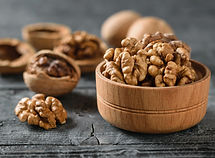
Walnuts feature a rich, mildly bitter flavour paired with a creamy texture, adding depth to numerous culinary uses. Their earthy taste makes them a versatile ingredient for both sweet and savoury recipes. In the kitchen, walnuts can be included in salads, baked goods, and as a topping for sweet dishes or yogurt. Furthermore, they are effective in pestos and sauces, enriching the overall flavor profile of a variety of dishes