


Sea Salt
Sea salt is made by simply evaporating sea water or water from salt water lakes. Sea salt is higher in minerals than table salt due to it having been processed less. While table salt can be used to season food it is highly processed and sea salt is a much better alternative. Western Australia is the largest producer of sea salt in Australia with about eighty percent of sea salt produced in Australia coming from the state. Different sea salts vary in sodium levels and it is important to get to know your salt before blindly following the measurements on a recipe.

Pink Salt
Pink Salt is considered to be among the healthiest options in terms of salt, in particular Himalayan pink salt. Himalayan pink salt is mined from ancient sea beds in the Himalayan region of Pakistan. Pink salt owes its unique colour to the abundance of minerals naturally occurring in the salt rocks. In Australia pink salt can be found in the Murray darling basin and is produced in north western Victoria. While Murray river pink salt does not boast all of the minerals found in Himalayan pink salt it is a great Australian alternative that is still relatively high in minerals.

Black Salt
Black Salt has some conflicting information, some accounts are that it is naturally occurring whilst most information states that it is manufactured by humans. In some instances black salt is made synthetically with the use of chemicals. Traditionally known as Kala Namak in various regions of the Indian sub continent black salt is made through a process of firing in a kiln with specific spices and charcoal. When ground black salt can vary in colour from pink to purple. If using black salt be sure to check where it came from and how it was made to avoid the consumption of unnecessary chemicals.

Wheat Flour
Wheat flour is made by grinding wheat grains into a powder. Plain flour is relatively neutral in flavour with a slight nuttiness. There are many different types of wheat flour available with varying applications. Most common is Plain flour which is simply ground wheat grains with the outer husk (germ) removed, self raising flour is the same with baking powder added (20-30 grams per kg). Whole meal flour is where the wheat has been ground with the husk and is higher in fibre and as such denser. Wheaten corn flour is made by grinding wheat grain to a fine powder with the husk separated. Bread flour is typically higher in protein as it is made from wheat with a higher "hardness". Wheat that is considered "hard" is higher in protein whereas wheat that is considered soft is higher in starch.
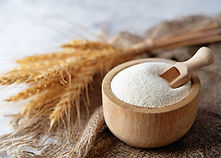
Semolina
Semolina is made by grinding Durum wheat and is coarser than wheat flour. Semolina has a sweet flavour that is slightly nutty. Semolina is used to make pasta, gnocchi, cous cous and desserts. Semolina is a healthier alternative to wheat flour as it is higher in protein, fibre, vitamins and minerals and has a lower glycemic index.

Rye Flour
Rye flour is made by grinding rye grains into a powder. Rye flour has a nutty flavour that is slightly grassy and sour. Rye flour can be light which is made with the outer husk (germ) removed, or dark which is made with the outer husk included. Rye flour is lower in gluten and high in vitamins and minerals. Rye flour can be used to make bread, pancakes, pasta crackers and scones.

Buckwheat Flour
Buckwheat flour is made by grinding buckwheat seeds which are similar to grain. Buckwheat is a member of the goosefoot family and is related to rhubarb and quinoa. Buckwheat is gluten free and is great alternative to wheat flour for those who are gluten intolerant. Buckwheat has an earthy flavour that is slightly nutty and a little darker than wheat flour. Buckwheat can be used to make breads, pancakes, noodles and desserts.

Maize Flour
Maize Flour is made by grinding the maize variety of corn into a fine powder. Maize flour is low in gluten and high in sugars in the form of starch and contains particular vitamins. Maize flour has a sweet flavour due to the high starch content from the dried corn. Maize flour is dense and best used for thickening sauces and soups. Maize flour can be used for creating gluten free flour when combined with other gluten free flours but is too dense to be used alone as a gluten free alternative.

Polenta
Polenta is a course meal made by grinding flint corn (a variety of maize). Polenta comes in a fine grain and a coarse grain and is traditionally used to make soft or hard polenta. Soft polenta is served as a semi wet dish that has a soft texture and resemble a dough, hard polenta is cooked out and then cooled to set before it is cut into pieces and grilled, baked or fried. Polenta can also be used to make cakes and corn bread.

Potato Starch
Potato Starch is made through a process that removes the starch from the potato which is then dried. Potato starch is gluten free.Potato starch has a neutral flavour that is quite bland. Potato starch and potato flour are very different with potato flour being made by cooking potatoes, drying and then grinding them, Potato flour can be used to create gluten free flours when mixed with other gluten free flours whereas potato starch can not. Potato Starch is excellent when used as a coating for fried food such as chicken wings or salt and pepper squid and can also be used as gluten free thickener or stabiliser .

Rice Flour
Rice Flour is made by grinding rice into a powder. Rice flour is gluten free and can be coarse or fine. Rice flour has a neutral flavour that is excellent when used as a coating for fried foods such as squid or chicken wings among other things. Rice flour is commonly used to make noodles and can also be used to make biscuits and other sweets. Rice flour can also be used to thicken sauces, soups, stews and broths.

Besan Flour
Besan Flour is also known as gram flour or chick pea flour as it is made by grinding chick peas into a powder. Besan flour is gluten free, has a nutty flavour and a slightly grainy texture. Besan flour has a light texture when used in cooking and can be used to make breads, cakes, flatbreads, batters and is particularly good when used in fritters such as Baja. Besan flour can be used to thicken sauces, in particular curries but is not limited in its uses too such. Besan flour can also be used to make desserts, in particular traditional Indian desserts such as Halwa or Burfi.

Tapioca Starch
Tapioca starch is also known as Arrowroot powder and is made by grinding dried arrowroot into a fine powder. Tapioca starch is bland and could be described as completely flavourless. Tapioca starch is great when used for thickening sauces, soups, stews or broths and is a good alternative for maize flour. Tapioca starch can also be used to make biscuits, jellies and puddings.

Dried Noodles
Dried noodles come in various shapes and sizes, each offering textures and flavors. Common varieties include rice noodles, which are often used in Asian dishes like pho, pad Thai; egg noodles, known for their rich taste and commonly found in soups and casseroles; and soba noodles, made from buckwheat, perfect for cold salads or hot broths. These versatile noodles can be boiled, stir-fried, or added to soups, making them a staple in many cuisines around the world.

Dried Pasta
Dried pasta comes in a variety of shapes and sizes, each suited for different culinary applications. Common varieties include spaghetti, which is perfect for classic tomato sauces; penne, ideal for baked dishes and creamy sauces; and farfalle, great for salads and light sauces. Other types like fusilli and orecchiette hold onto sauces well, making them versatile choices for hearty meals. Whether you're making a comforting pasta dish or a fresh salad, there's a dried pasta variety to enhance your recipe.

Yeast
Fresh and dried yeast are essential ingredients in baking and brewing. Fresh yeast, also known as cake yeast, is moist and has a short shelf life, making it ideal for quick in recipes like bread and pastries. Dried yeast, on the other hand, has a longer shelf life and is convenient for home bakers, as it can be stored easily and reactivated with warm water. Both types of yeast contribute to the rise and texture of baked goods, enhancing their flavor and overall quality.
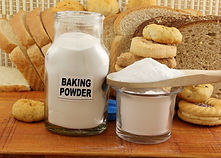
Baking powder
Baking powder is a leavening agent commonly used in baking to help dough rise. It contains a mixture of an acid and a base, which react when moistened and heated, producing carbon dioxide gas that creates bubbles in the batter. This results in a light and fluffy texture in baked goods like cakes, muffins, and biscuits. Additionally, baking powder can be used in recipes that require a quick rise without the need for yeast, making it a versatile ingredient in many kitchens.

Baking soda
Baking soda, also known as sodium bicarbonate, is a versatile ingredient commonly used in cooking and baking. It acts as a leavening agent, helping baked goods rise and achieve a light, fluffy texture. In addition its baking uses, baking soda can also be utilized for tenderizing meat, balancing acidity in recipes, and even as a natural cleaning agent in the kitchen. Its ability to neutralize odors makes it a handy addition to various culinary applications.

Cream of tartar
Cream of tartar is a fine white powder derived from tartaric acid, a natural byproduct of winemaking. In the kitchen, it serves multiple purposes, primarily a stabilizing agent for egg whites, helping to create fluffy meringues and soufflés. It can also be used to prevent sugar from crystallizing in syrups and candies, and as a leavening agent when combined with baking soda in recipes. Additionally, cream of tartar can be added to recipes for a slight tangy flavour, enhancing the overall taste of baked goods.

Citric acid
Citric acid is a naturally occurring organic acid present in citrus fruits like lemons and limes It has various uses, including enhancing the flavour of dishes, serving as a preservative, and preventing browning in fruits and vegetables. This ingredient is frequently found in recipes for jams, jellies, and marinades, and it is also effective in cleaning solutions due to its grease-cutting and stain-removing properties. In summary, citric acid is a versatile component that can enhance both culinary and cleaning endeavors.

Gelatine
Gelatine is a versatile ingredient derived from collagen, typically extracted from animal bones and skin. In the kitchen, it serves various purposes, such as thickening, stabilizing, and gelling liquids. Commonly used in desserts like jellies, marshmallows, and panna cotta, gelatine can also be found in savoury dishes, including aspics and terrines. Its ability to create a smooth texture makes it a favorite among chefs and home cooks alike.

Raw sugar
Raw sugar is a minimally processed sweetener that retains some of the natural molasses, giving it a rich, caramel-like flavour and a light colour. It can be used in various kitchen applications, such as sweetening beverages, baking cookies, or sprinkling on top of desserts for added texture. Additionally, raw sugar can enhance savoury dishes, making it a versatile ingredient in both sweet and savoury recipes. unique flavour profile makes it a popular choice for those looking to add touch of depth to their culinary creations.

White sugar
White sugar, often referred to as granulated sugar, is a popular sweetener sourced from sugarcane or sugar beets. It's fine, crystalline form makes it a staple in baking, cooking, and drinks, adding sweetness and enhancing flavours. In the culinary world, white sugar is crucial for creating cakes, cookies, and pastries, contributing to their browning and texture. Moreover, it helps balance acidity in savoury recipes and plays a vital role in fruit preservation and jam-making.

Icing sugar
Icing sugar, often referred to as powdered sugar or confectioners' sugar, is a ground sugar that dissolves effortlessly, making it ideal for crafting smooth frostings and glazes. Its airy texture enables it to mix easily into recipes, adding sweetness without the gritty feel of regular sugar. In culinary applications, icing sugar is frequently used for dusting desserts, preparing icing for decorations, and sweetening whipped cream. It is a vital ingredient for bakers aiming for a polished look on cakes and pastries.

Dark brown sugar
Dark brown sugar is a rich, moist sweetener that adds a deep, caramel-like flavour to a variety of dishes. Its higher molasses content gives it a distinctive taste and colour, making perfect for baking cookies, cakes, and sauces. In the kitchen, dark brown sugar can be used to enhance the flavour of marinades, glazes, and even savoury dishes, providing a touch of sweetness that balances out spices. It's an essential ingredient for anyone looking to add depth and richness to their culinary creations.

Palm sugar
Palm sugar is a natural sweetener extracted from the sap of various palm trees, notably the sugar palm and coconut palm. It boasts a rich, caramel-like flavour and a texture that can range from granulated to block form. In culinary applications, palm sugar is frequently utilized in desserts, sauces, and beverages, enhancing dishes with its depth and complexity. It serves as an excellent alternative to refined sugars, offering a more wholesome sweetness to a variety of recipes.

Rock sugar
Rock sugar, or rock candy, is characterized by its large crystalline structures and is a unique form of sugar. It is widely utilized in various culinary applications due to its subtle sweetness and distinctive texture. In the kitchen, rock sugar serves to sweeten beverages such as tea and herbal infusions, as well as in the preparation of desserts and confections. Its gradual dissolution makes it particularly suitable for crafting syrups and enhancing the visual appeal of dishes.

Cocoa
Cocoa is a premium ingredient sourced from the beans of the cacao tree, renowned for its rich flavour profile. It is extensively utilized in culinary practices, including baking, chocolate production, and the preparation of beverages such as hot cocoa. In addition to its delectable taste, cocoa is recognized for its health benefits, containing antioxidants that may contribute to improved mood. Its versatility enhances a wide range of recipes, providing a sophisticated depth and indulgence.
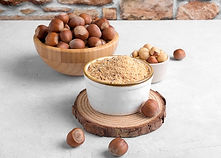
Hazelnut meal
Hazelnut meal is a finely ground flour derived from roasted hazelnuts, characterized by its rich, nutty flavour and subtle sweetness. It is frequently utilized in baking, enhancing the moisture and complexity of cakes, cookies, and pastries. Furthermore, hazelnut meal can be seamlessly integrated into smoothies, oatmeal, or employed as a gluten-free substitute in a variety of recipes. Its versatility renders it an excellent choice for both sweet and savoury culinary applications.

Almond meal
Almond meal is a finely milled flour made from blanched almonds, known for its rich, nutty flavour and slightly coarse texture. It is commonly used in gluten-free baking, enhancing the flavour profile of a variety of recipes, such as cookies, cakes, and pancakes. Additionally, almond meal makes an excellent breading option for meats and vegetables, providing a delightful crunch. From a nutritional standpoint, it is a beneficial ingredient, abundant in protein, healthy fats, and essential vitamins.

Wholegrain mustard
Wholegrain mustard is a condiment made from coarsely ground mustard seeds, vinegar, and a mix of spices. Its unique texture and bold flavour enhance a variety of culinary uses. This mustard is perfect for salad dressings, marinades, and as a spread sandwiches or burgers. Furthermore, it enhances the flavour of roasted meats and vegetables, making it a versatile and essential ingredient in any kitchen.

Dijon mustard
Dijon mustard is an elegant condiment known for its smooth consistency and sharp, tangy taste. Originating from Dijon, France, it is made from brown or black mustard seeds, white wine, and vinegar 0r verjuice, creating a unique flavour that pairs well with various dishes. This adaptable ingredient is perfect for enhancing salad dressings, marinades, and sandwich spreads, adding a refined touch to culinary endeavors. Whether used by professional chefs or home cooks, Dijon mustard is a vital element for enhancing any meal.

Australian mustard
Australian mustard is a condiment recognised for its robust flavour and bright yellow hue. Crafted from ground mustard seeds, it typically incorporates a blend of spices that contribute to its unique taste, making it an excellent enhancement for a wide range of dishes. Frequently utilised in sandwiches, burgers, and dressings, Australian mustard also complements grilled meats and serves effectively as a marinade or dipping sauce. Its versatility establishes it as a fundamental ingredient in many culinary settings, providing a zesty accent to both everyday meals and special events.

American mustard
American mustard is a smooth, tangy condiment made primarily from yellow mustard seeds, vinegar, and spices. Its mild flavour makes it a versatile addition to a variety of dishes, including hot dogs, burgers, and sandwiches. It can be used as a base for salad dressings, marinades, and sauces, adding a zesty kick to your favourite recipes. Whether you're hosting a barbecue or simply enhancing your everyday meals, American mustard is a staple that brings a delightful burst of flavour.

Hot English Mustard
Hot English mustard is a unique condiment known for its sharp and spicy flavour, capable of enhancing a variety of dishes. Made from finely ground mustard seeds, it provides strong kick that pairs well with meats, sandwiches, and cheeses. This mustard is a fundamental element of traditional British cuisine, frequently served with roasts or included in a classic ploughman’s lunch. Additionally, it can be used in salad dressings, marinades, and sauces to add a zesty richness to numerous culinary creations.

White vinegar
White vinegar is an exceptionally versatile and economical household product known for its potent acidity and distinct flavour. It is commonly used in various culinary applications, especially in making salad dressings, marinades, and for pickling. Beyond its culinary benefits, white vinegar serves as an effective cleaning solution, adept at removing stains, eliminating odors, and cutting through grease. Additionally, it can be added to laundry to brighten whites and soften fabrics, establishing it as a vital element in any home.
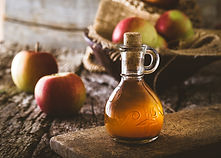
Apple cider vinegar
Apple cider vinegar is a commonly used ingredient in cooking, celebrated for its tangy flavour and versatility. It enriches dressings, marinades, and sauces by providing a balanced acidity that enhances a variety of flavours. Furthermore, it is effective for pickling vegetables, offering a unique taste while maintaining freshness. Whether drizzled over roasted vegetables or used to deglaze a pan, apple cider vinegar is an essential component that enhances a wide array of dishes.

White wine vinegar
White wine vinegar is a versatile and tangy ingredient made from white wine. Its crisp flavour enhances a variety of dishes, making it a staple in many kitchens. Common cooking applications include salad dressings, marinades, and sauces, where it adds brightness and depth. Additionally, it can be used to deglaze pans, pickling vegetables, or even in baking to balance sweetness.

Red wine vinegar
Red wine vinegar is a robust and flavoursome condiment derived from the fermentation of red wine. It imparts a rich complexity to dressings, marinades, and sauces, elevating the overall flavour profile of various dishes. In culinary applications, it serves as an excellent deglazing agent, enhances roasted vegetables, and is a fundamental component in vinaigrettes. Its versatility establishes it as an essential ingredient in both everyday cooking and sophisticated recipes.

Balsamic vinegar
Balsamic vinegar is a premium, dark vinegar that hails from Italy, celebrated for its distinctive sweet and tangy flavour. Crafted from freshly pressed grape juice and aged in wooden barrels, it develops a complex taste that elevates a variety of culinary applications. It is commonly utilized in salad dressings, meat marinades, and sauces providing depth and richness. Furthermore, balsamic vinegar serves as an exquisite finishing touch for vegetables, cheeses, and even desserts, enhancing their overall flavor profile.

Black vinegar
Black vinegar is a rich, dark condiment made from fermented grains, commonly used in Asian cuisine. Its complex flavour profile combines sweet, sour, and umami notes, making it a versatile ingredient in dressings, marinades, and dipping sauces. Black vinegar is often used to enhance the taste of stir-fries, braised dishes, and even as a finishing touch for soups. Additionally, it can be drizzled over vegetables or used to add depth to sauces, making it a staple in many kitchens.

Tomato paste
Tomato paste is a concentrated ingredient made by cooking fresh tomatoes to eliminate excess moisture. Its robust flavour and bright red color make it an essential component in many culinary uses. Frequently used in sauces, soups, stews, and casseroles, tomato paste adds depth and a subtle sweetness to a variety of dishes. Additionally, it acts as a superb base for pizza sauce and can be blended with other ingredients to create marinades and dressings.

Crushed tomatoes
Crushed tomatoes are an exceptionally versatile ingredient crafted from ripe tomatoes that have been peeled and crushed, often blended to achieve a smooth texture. They play a crucial role in a wide array of culinary applications, including sauces, soups, and stews, delivering a rich, tangy flavour and vibrant color to dishes. As a fundamental component, crushed tomatoes are indispensable for creating pasta sauces, pizza, and chilli, solidifying their status as a staple in all kitchens. Their convenience and ability to elevate the flavor of countless recipes make them a must-have in any pantry.

Sunflower oil
Sunflower oil is a commonly used cooking oil known for its flavour and high smoke point, making it suitable for various culinary uses. It is often utilized in frying, sautéing, and baking, allowing for even cooking while maintaining the natural flavors of the ingredients. Additionally, sunflower oil is a great option for salad dressings and marinades, adding a smooth texture and a hint of nuttiness. Its versatility, along with health benefits like a significant vitamin E content, makes it a vital component in all kitchens.

Rice bran Oil
Rice bran oil is a versatile cooking oil extracted from the outer layer of rice grains. It has a mild flavour and a high smoke point, making it ideal frying, sautéing, and baking. Rich in antioxidants and healthy fats, rice bran oil is not only great for everyday cooking but also adds nutritional benefits to your meals. Its light texture and subtle taste allow it to complement a variety of dishes, from stir-fries to salad dressings

Grape seed oil
Grape seed oil is a refined oil derived from the seeds of grapes, commonly produced as a byproduct of the winemaking process. With a high smoke point, it is well-suited for high-heat cooking techniques such as frying and sautéing. Its subtle flavour profile allows for seamless incorporation into dressings, marinades, and baked goods. Furthermore, grape seed oil is abundant in antioxidants and healthy fats, making it a beneficial addition to a variety of culinary applications.

Sesame oil
Sesame oil is a premium oil extracted from sesame seeds, recognized for its rich, nutty flavour and distinctive aroma. It is widely utilized in Asian culinary practices, particularly in stir-fries, dressings, and marinades, where it contributes significant depth to various dishes. There are two primary types of sesame oil: light sesame oil, derived from raw seeds with a mild flavour, and dark sesame oil, produced from toasted seeds, which offers a more robust taste. Its high smoke point makes it ideal for frying, while its unique flavor profile enhances salads and dips.

Olive oil
Olive oil comes in various types, each offering unique flavors and culinary uses. Extra virgin olive oil is distinguished by its outstanding quality and robust taste, making it an excellent option for drizzling salads, dipping bread, or finishing a range of dishes. Virgin olive oil provides a milder flavour that is perfect for sautéing and baking. Light olive oil, recognized for its neutral taste, is best suited for frying and high-heat cooking. Familiarising yourself with these different varieties will certainly enhance your cooking abilities and improve your meals.

Avocado oil
Avocado oil is a highly versatile and nutritious oil derived from the flesh of avocados. It boasts a rich, buttery flavour and a high smoke point, making it suitable for a variety of cooking methods, including frying, sautéing, and baking. Rich in healthy fats and antioxidants, avocado oil not only elevates the flavor profile of dishes but also supports a balanced diet. It can be effectively utilized in salad dressings, marinades, or as a finishing touch over roasted vegetables for an enhanced culinary experience.

Macadamia oil
Macadamia oil is a highly versatile and nutritious oil extracted from the nuts of the macadamia. Renowned for its rich, buttery flavour, it is frequently utilized in cooking and baking, enhancing dishes with its distinctive taste. With a high smoke point, this oil is particularly suitable for frying and sautéing, while also serving as an excellent component in salad dressings and marinades. Furthermore, macadamia oil is rich in healthy fats and antioxidants, making it a preferred choice for health-conscious culinary applications.