

SUMMER VEGETABLES

Avocado
While technically a fruit avocado is generally used as a savoury, which lends itself more to the use of vegetables. Avocado has a slightly nutty flavour and mild sweetness with creamy buttery flesh. Avocado can be used in salads and salsas, served on toast with cracked pepper and lemon, on burgers sandwiches wraps and tacos. Avocado pairs well with fish, chicken and bacon. Avocado can be used to make dips and purees and is most famous for the Mexican dip Guacamole. With a wide range of health benefits avocado is even being used in smoothies and other drinks.

Beans
Beans have an earthy flavour that is mildly sweet. Beans are crunchy and refreshing when raw and tender when cooked. Beans can be used in salads, cold dishes, stews and as a side. Bean pods can be green, purple, yellow and speckled. The pod of broad beans is very fibrous and as such the broad bean is best shelled. There are many varieties of beans that can be shelled and dried which I will go into more detail about in the Pantry section.

Beetroot
There are several different varieties of beetroot and flavour will vary between them, all varieties will have differing degrees of sweet, earthy and floral flavours. Beetroot can be cooked by boiling, steaming or roasting. Beetroot can also be grated or finely sliced and eaten fresh. Beetroot can be used to make dips and puree’s, served fresh or cooked in salads, cooked and added to pasta’s, risotto’s and pizza’s as well as being used as a side dish to a main course.

Cabbage
Cabbage has a slightly peppery bitterness when eaten raw, the flavour of cabbage becomes sweeter as it is cooked. Cabbage is essential to a good slaw and can be used in soups, stews, salads and stir-fries. Cabbage can be fermented into sauerkraut or pickled to preserve it and add a point of difference. Cabbage can be grilled or sautéed and served as a side to a main dish.

Carrots
Carrots are slightly sweet and earthy with a little bitterness, Carrots have a flavour that is quite unique and can only be described as a carrot. Carrots have many uses in the kitchen and can be eaten raw in salads, slaws or as crudities. When cooked carrots become even sweeter and can be roasted, boiled or steamed. Carrots can be made into dips or puree’s and are a must have in many soups stocks and sauces.

Celery
Celery has a mildly bitter, savoury flavour with a slightly herbal aroma. Celery is best enjoyed raw in salads or as a crudity with dips. Celery also plays a vital role in adding back notes and depth of flavour to many soups, stocks and sauces.

Capsicum
Capsicum has a sweet fruity flavour when ripe and is slightly less sweet and a little bitter when green. Capsicum can be used fresh in salads, sauces, salsas and as crudities. Capsicums can be cooked in many different sauces, in pastas, risottos, stir-fries, curries, stews, soups (hot and cold), nachos, and pretty much anything Mexican. Fire roasting capsicum gives the vegetable a smokey flavour and soft texture to the flesh. There are many different varieties of capsicum, with varying flavour profiles and uses, such as the paprika capsicum, which is dried, and ground to create a spice.

Cucumber
Cucumber has a crisp refreshing texture with mildly earthy tons and a slightly fruity sweet inner flesh and bitter skin. Cucumber has many different varieties with varying degrees of these flavour profiles. Cucumber can be used in salads, salsas, chilled soups, sushi and dips as well as in sandwiches, burgers, wraps and tacos. Cucumbers can also be pickled and made into relish. Cucumbers can also be cut and eaten alone or used as crudities.

Corn
Corn is technically a grain however is generally used as a vegetable. Corn is very sweet and has a fibrous texture. Corn can be used in salads, salsas, fritters, stir-fries, soups, breads, dips and relish. Corn can be steamed, baked, grilled or blanched and served as a side. There are many different varieties of corn with varying uses. When dried the sugar in corn converts into starch and can be used to make flour and polenta. We will talk more about corn as a grain in the pantry section.

Eggplant
Eggplant has a mild sweet flavour but can be bitter when undercooked, salting the eggplant before cooking can help to reduce the bitterness, eggplant can be sliced and char grilled roasted or added to sauces (particularly curries and pasta sauces). When char grilled whole eggplant takes on the smokey flavour of the char grill and can be used to make purees or dips such as the famous Baba ganouche or the Greek melitzana salata. Battered eggplant fritters or chips are another great way to serve eggplants.

Fennel
Fennel has a mild Anise flavour and a crisp crunchy texture when eaten raw. Fennel is very versatile and can be used fresh in salads and slaws or cooked by roasting, braising, and sautéing. Fennel is a great addition to pasta’s, risotto’s, pizza’s and stir-fries. Fennel can also be used in soups, purees and sauces, and in some cases if you’re being creative in desserts.

Lettuce
With many varieties in this cultivar lettuce can vary in flavour from the neutral crispy flavour of iceberg and soft buttery leaves of butter head to the more bitter flavour of witlof and radicchio which are technically endives though still considered part of the lettuce group. While lettuce has its traditional use of being the main body of a salad it can also be used in laksa, or you could even char grill Cos or Radicchio to create an interesting dish. With many uses the lettuce family is a must have.

Okra
Okra has a mild, sweet grassy flavour. Okra can be fried, roasted, pickled, grilled or eaten raw to name a few. Most famous for it’s use in Gumbo, Okra is also a great thickener for soups and curries.

Onion
Onions have many different varieties ranging from mild and sweet to spicy and pungent. Onions are a staple in any kitchen and can be roasted, sautéed, grilled or caramelized. Onions are quite often the starting point of many dishes and are essential in many soups, stocks and sauces. When cooked onions lose much of the astringent bitter flavour and become sweet and fragrant adding depth of flavour to any dish.

Peas
Pea’s have a grassy earthy flavour that is not too bitter with a slight sweetness. There are many different varieties of peas some of which can be eaten whole, most varieties however need to be shelled as the pod is too fibrous. When cooked just right pea’s can have a sweet moist burst of flavour. When overcooked pea’s become a little chalky and less pleasant. Pea’s can be used in purees, pastas, risotto, salads, slaws and soups or as a side.

Potato
Potatoes have a mild earthy flavour with textures varying between different varieties. Some varieties are starchy and best used for mashing, roasting and chipping, while other varieties are waxy due to a lower starch level and higher sugar and moisture levels, these potatoes are best for boiling or steaming when you wish to maintain the shape of the potato. Potatoes have an amazing number of uses apart from the obvious and can be used to make soups, dips, purees, rosti, hash browns, gnocchi, bakes, croquettes, Spanish tortilla and an array of delicious French specialties such as Pommes duchess, fondant potatoes, Pommes Anna and Pommes Dauphine just to name a few. Undoubtedly the most versatile carbohydrate available to any cook.

Radishes
Radish has a spicy peppery taste that varies between different varieties. The texture of radish also varies between varieties with some varieties having a slightly woodier texture than others. Radish when sliced thinly can be used fresh in salads and slaws or as a garnish . Radish also pickles well . Radish can be cooked by steaming or roasting which largely softens the intensity of the radishes flavour. When cooked radish can be transformed into, soups and purees or served as a side.

Silverbeet
Also known as Chard, Silverbeet has a robust, deep earthy flavour. While the larger leaves and stems are generally cooked the smaller leaves are nice when used fresh in a salad. Silverbeet can be sautéed, steamed or added to a soup or stew. Silverbeet is great in quiche, pies or pastries and is essential to traditional Greek Spanakopita (spinach and cheese filo).

Shallots
Also known as eschallots and not to be mistaken with spring onion shallots are a smaller variety of the onion families with red or gold skin. Shallots have a delicate peppery flavour that is slightly sweet when raw. Shallots sweetness increases when cooked and loses some of the pungent flavour. Shallots can be used fresh in sauces, salads and slaws. Shallots can be cooked by roasting, sautéing or grilling. When cooked shallots can be used in soups, stocks, sauces, pasta, risotto, stir-fries, and purees or as a side. Shallots can also be pickled.

Spring Onion
It is quite confusing how many different names spring onions have, they can be known as scallions, green onions and shallots although all of these names have different meanings the world over. Most commonly known in Australia as shallots, spring onion has a sharp, peppery flavour that is almost spicy yet subtly sweet as well with the sweetness intensifying when cooked, like all onions. Spring onion can be used in soups, stocks, sauces, salads, salsas, pastas, risottos, stir fries, on pizzas to name but a few. Spring onions are very versatile and can be used in many different ways.

Squash
Squash has a slight nutty flavour that is mild and has a soft texture, while technically a fruit squash is used as a vegetable. Squash can be steamed, roasted or sautéed and also pickled. Squash can be stuffed and roasted and served as a centre plate or as a side. Squash can also be added to pasta, stir-fries ,risotto or ragout. Pickled squash is great in salads or on burgers, sandwiches, wraps and cheese boards where it pairs well with sharp cheddar.

Sugarsnap Peas
Sugarsnap peas have a crunchy texture and sweet earthy flavour. Sugarsnap peas are a cross between garden peas and snowpeas and can be eaten whole. Sugarsnap peas are best cooked lightly by steaming or blanching. Sugar snap peas can be used in stir-fries and salads but are most commonly used as a side.

Tomato
The flavour of tomatoes can be described as sweet, sour, tangy, balanced or bland depending on the levels of sugar and acid in the variety. With so many different varieties of tomatoes available the uses for tomatoes is endless. Tomatoes can be used fresh in salads, on burgers, sandwiches, wraps and tacos. Tomatoes can be sundried, semi dried, slow roasted, used as a base for a relish or many sauces. Tomato can be used in soups, stew, braises, curries and broth. An essential for any cook
Watercress
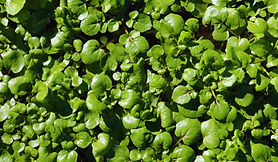
Watercress has a grassy peppery flavour that is fresh and clean when eaten raw. Watercress can be used in salads, as a garnish or even in a chilled soup. When cooked watercress loses some of it’s qualities and is best enjoyed raw.

Zucchini
Zucchini has a slightly grassy, bittersweet flavour, some varieties can also have nutty undertones. Zucchini can be steamed, blanched, roasted, grilled, sautéed, battered and fried. Zucchini has a tendency to take on the flavours of what it is cooked with and is a great substitute for pasta or noodles. Zucchini can be used in fritters, savoury muffins and slices as well as being used as a side dish. Zucchini pickles really well and when pickled can be used on burgers, sandwiches or cheese boards.




Apricot
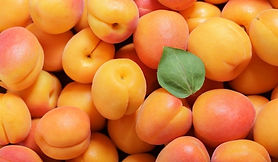
Apricots have a slightly fuzzy skin with soft moist flesh, Apricots have a sweet floral flavour and a slightly tart finish. Apricots can be used in fruit salads, and savoury salads. Apricots can be used in array of desserts and poached and preserved in syrup or made into jam. Apricots can also be dried and stored for long periods of time. Dried apricots have a wide variety of uses and can be added to cous cous, salads, tagines and curries to name but a few.
Apples
Apples have a crisp refreshing texture when eaten raw and become soft and tender when cooked. There are many different varieties of apples each offering varying degrees of sweet, tart and floral flavours. Apples can be used in fruit salads, savoury salads, sauces, purees and many desserts. Apples can be cooked by steaming, roasting, sautéing, caramelizing, poaching and stewing. Apples pairs well with pork and can be used as an accompaniment for many pork main dishes.
Blueberries
Blueberries are a sweet berry with varying levels of acidity depending on the variety. Blueberries can be used to make, jam, compote, chutney and sauces. Blueberries can be used in cakes, muffins, tarts, and other pastries. Blueberries can be used fresh on pancakes, waffles, with yoghurt, in smoothies or simply enjoyed on their own. Blueberries can also be used in salads, on cheese boards, and in savoury sauces particularly when served with gamey meat such as duck or venison.
Blackberries
Blackberries have a sweet and tart flavour that is deep and slightly earthy. Blackberries are juicy and succulent with soft flesh. Blackberries can be used in fruit salads, savoury salads, sauces, dressings, salsas as well as a range of desserts. Blackberries can be used to make sweet sauces, compotes and jams. Blackberries pair well with many spices and rich gamey meats such as venison.
Boysenberries
Boysenberries are a hybrid cross of Blackberry, raspberry and loganberry. Boysenberries have a similar texture to blackberries that is firm and juicy. Boysenberries have a sweet floral flavour that is a little more tart than raspberries or blackberries. Boysenberries can be used in fruit salads, savoury salads, sauces, dressings, salsas as well as a range of desserts. Boysenberries can be used to make sweet sauces, compotes and jams. Boysenberries pair well with many spices and rich gamey meats such as venison.
Blackcurrants
Blackcurrants have a strong tart flavour and are distinctly aromatic. Blackcurrants can be eaten fresh in fruit salads and savoury salads however blackcurrants spoil quickly so are regularly frozen or dried. Blackcurrants can be used to make jams, syrups, sauces, jellies and many other desserts. Blackcurrants are also used to make wine and the juice is regularly used to mix alcoholic beverages.
Banana
Banana trees are technically an herb however banana is a fruit. Banana has many different varieties and flavour can vary between these from sweet honey like vanilla flavours to tropical citrus notes with all bananas exhibiting varying degrees of these flavour profiles. Banana’s can be used to make cakes, muffins, tarts, smoothies and fritters. Bananas can be served fresh or grilled on pancakes, waffles, toast, crumpets, yoghurt and granola to name but a few.
Cherry
Cherries are generally sweet and tart with some varieties having nutty or smokey flavours. Cherries can be used to make, jam, compote, chutney and sauces. Cherries can be preserved in syrup and are used in cakes and pastries. Cherry pairs well with chocolate, one famous example of this is the black forest cake. Cherries can also be used in savoury dishes and pairs well with pork, duck and turkey. Like most fruit cherries are best enjoyed in their natural form and simply eaten fresh.
Figs
Figs are actually an inverted flower, and not a technically a fruit. The skin of a fig is soft and smooth while the flash of the fig has a cakey almost jam like consistency with lots of little crunchy seeds. Figs have a sweet honey like flavour that has back notes similar to dates, strawberry and even nuts depending on the variety. Figs can be eaten raw or cooked. Figs can be used raw in fruit and savoury salads and as an accompaniment to savoury dishes or desserts. Figs can be grilled, stuffed, roasted, sautéed and used as the star of the plate or as a side dish. Figs pair particularly well with blue cheese, prosciutto and scallops.
Grapes
Grapes have many different varieties all with varying degrees of four main flavours being sweet, bitter, acidic and in some instances slightly salty. Grapes are complex in their background flavours with each variety being quite unique. When used raw grapes have a delicate skin and juicy flesh that bursts in your mouth. When cooked or dried the sweetness of grapes intensifies. Grapes can be used fresh in fruit and savoury salads, sauces, dressings, jams, jellies, tarts, cakes and an accompaniment to cheeses, desserts or savoury dishes. In fact grapes have an endless number of uses. Grapes can be dried to make sultanas or raisins or made into sorbet, juiced, made into wine, or even made into vinegar or verjuice.
Grapefruit
Pink and yellow grapefruit has a distinct bitter sweet flavour that is quite tart. The Ruby grapefruit however is much less bitter with a sweet tangy flavour making it the more popular of the varieties. Grapefruit can be used in fruit salads however it is an acquired taste and may not be to everyone’s liking. Grapefruit can also be used in savoury salads, salsas, sauces, dressings and desserts.
Honeydew Melon
Honeydew melon has a mild, slightly earthy, sweet flavour. Honeydew Melon has a soft juicy flesh that when ripe is succulent and tender. Honeydew melon can be used in savoury salads as well as fruit salads, Like most fruit Honeydew melon is best eaten fresh on its own.
Limes
Limes are much like lemons only a little more tart and slightly less sweet. Limes can add a zesty zing to salads, salsa’s, and sauces by using the juice or the zest. Limes can also be preserved using salt although it is not as commonly done as lemons. Limes can also be used to make various desserts like the famous key lime pie, baked lime tarts or lime cheesecakes. Limes are the most commonly used fruit for mixing drinks. Limes are used in a variety of food cultures the world over.
Loganberries
Loganberries look like dark red versions of blackberries however they have an aroma more similar to raspberries and a sweet and very tart flavour. Loganberries can be used in fruit salads and savoury salads, jams, compotes, sweet sauces, savoury sauces, dressings, vinno cotto, vinegar reductions and many desserts.
Lychee
The inside flesh of a Lychee has a delicate texture similar to a grape that is slightly chewy. Lychees have a sweet floral flavour with hints of pear, watermelon and citrus notes. Lychee can be used in fruit salads and savoury salads, sweet sauces and savoury sauces, salsas, chilled soups, and many desserts. Lychees are also great eaten fresh as a piece of fruit.
Mulberries
Mulberries come in three different varieties, White, Red and Black. White Mulberries have a subtle flavour that is sweet and almost vanilla like, red mulberries have a mild flavour that can be sour when under ripe. Black mulberries are the most common and have an intense sweetness with a tart flavour similar to blackberries whilst still maintaining its own unique flavour. Mulberries can be used to make jam, compote, sauces, dressings and desserts.
Mango
Mango has many different varieties with flavour profiles ranging from sweet tropical, peach and pineapple to zesty orange and cucmber. The flesh of a ripe mango is delicate and creamy yet firm and juicy at the same time. Mango can be used in fruit salads, savoury salads, sweet sauces, savoury sauces, dressings, salsas, chutney, relish and many desserts. Green mangos are crisp and fibrous with a very sour and slightly bitter flavour. Green mango can be used to make saladsd, slaws and chutney. The uses of mango are only limited by your imagination.
Nectarine
Nectarines have a smooth glossy skin and tender juicy flesh that melts in your mouth. Nectarines have a fresh sweet and tyangy flavour with floral back notes. Nectarines can be used in fruit salads and savoury salads, sweet sauces and savoury sauces, vinno cotto, vinegar reductions, dressings and many desserts. Nectarines can be cooked by grilling, roasting sautéing or caramelizing and are a great accompaniment to pork, chicken and fish.
Passionfruit
Passionfruit has a juicy jelly like flesh with lots of crunchy seeds. Passionfruit have a well-balanced sweet and sour flavour that is quite tart. Passionfruit can be used in Fruit salads, salsa’s, sauces (sweet and savoury), dressings, in desserts or as an accompaniment to desserts. Passionfruit goes particularly well with very sweet desserts like pavlova or meringue and also pairs well with salty seafood like oysters.
Peach
Peach has a slightly furry skin with a tender juicy flesh that bursts with flavour. Peaches have a sweet floral tatse with the white variety being more delicate and less acidic while the yellow peach has an acidic tang that balances nicely. Peaches can be used in fruit salads and savoury salads, sweet sauces and savoury sauces, vinno cotto, vinegar reductions, dressings and many desserts. Peaches can be cooked by grilling, roasting sautéing or caramelizing and are a great accompaniment to pork, chicken and fish.
Plum
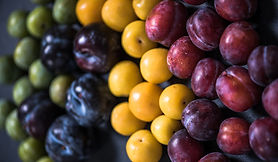
Plums have a delicate skin with tender juicy flesh. The flavour of Plums differs between varieties, the red plums being sweet fleshed with a sliughtly sour skin and black plums being slightly sour with a sweeter skin. There are many different varietes of plum all of which can be used in fruit salads and savoury salads, sweet sauces and savoury sauces, vinno cotto, vinegar reductions, dressings and many desserts. Plums can be dried into prunes or stored in syrup as well as being made into brandy.
Pineapple
Pineapple has a distinctly tropical flavour that is both sweet and tart. Pineapple can be used in savoury salads and fruit salads. Pineapple can be made into sauces, dressings, sweet and savoury salsas or desserts. Pineapple can be char gilled to increase the sweetness and add a smokey flavour and depending on personal preference can be used on pizzas and in burgers or wraps.
Raspberries
Raspberries are made up of many little drupes each containing a single seed. Although plump and fleshy when ripe and freshly picked raspberries are extremely delicate and spoil easily. Raspberries have a sweet dry and tart flavour with a floral aroma. Raspberries can be used in fruit salads and savoury salads, sweet sauces and savoury sauces, vinno cotto, vinegar reductions, dressings and many desserts.
Rhubarb
Rhubarb is not technically a fruit however it is most commonly used as a fruit would be used. Rhubarb has long crunchy stalks simular to celery and an extremely tart flavour when eaten raw. Rhubarb is often stewed, poached or sometimes baked with sugar added to counteract the tart dry flavour. Rhubarb can be used in sweet and savoury sauces, as an accompaniment to rich proteins or desserts. Rhubarb can also be mabe into jam and compote.
Strawberries
Strawberries have delicate skin with many little achenes (seeds). The flesh of strawberries is firm yet tender and succulent. Boasting a rich floral aroma, strawberries are sweet and juicy with a mildly acicdic tang. Strawberries can be used in fruit salads, savoury salads, sauces (sweet and savoury), jam, compote, salsa’s (sweet and savoury) cakes, muffins, artisan baked goods, vinno cotto, vinegar reductions, dressings and many desserts. Strawberries are extremely versatile and have an endless amount of uses in the kitchen.
Tamarillo
Also known as a tree tomato the Tamarillo has a firm skin and juicy jam like flesh similar to that of a tomato. While the skin is edible it is quite bitter and usually not consumed by most. The flesh of Tamarillo has a sweet citric piquancy. Tamarillo can be used in savoury salads, chutney, jam, sauces, chilled soups and salsas. Tamarillo’s have a broad range of uses in desserts and are commonly poached in sweet syrup.
Watermelon
Watermelon has a crunchy texture that is also juicy and melts in your mouth. Watermelon has a perfect blend of sweet sour and bitter that balances to a really enjoyable flavour. Watermelon can be eaten simply as a piece of fruit or used in fruit salads and frappes. Watermelon can also be used in savoury salads and salsas. Watermelon can be used to make desserts or sweet sauces. Watermelon can also be char-grilled and served as a side that goes particularly well with


Basil
There are many different varieties of basil all with varying degree’s of flavour. Sweet basil is most common and is sweet and pungent with very faint aniseed notes. Thai basil is not as sweet with a strong aniseed flavour and a slight spice. Holy basil has a peppery heat that is almost akin to mustard with strong aniseed flavour and a mouthwatering aroma when being cooked. Basil has a myriad of uses such as salads, sauces, oils, pastas, pizzas, risotto, curries, stir fries and even desserts and teas. Basil is a must have in any kitchen.
Chives
Chives have a slightly grassy and herby mild onion flavour. Chives can be used in many ways although they are most commonly chopped and sprinkled fresh over a dish as garnish. Chives can be used to make sauces and oils, added to potato dishes to give a subtle onion flavour, added to pastas, pizzas, risottos, salads, egg dishes and stuffing’s to name but a few.
Coriander
Coriander is also known as cilantro and is one of the most resourceful herbs, the leaves, stem, seed and even roots can be used. It has a pungent aroma that people either love or hate. The leaf can be used in salads or as a garnish, the seed in curry pastes or spice rubs, and the root also in curry pastes, salsa or sauces. Coriander is also used traditionally in a variety of cuisines from all over Asia as well as Europe and South America.
Chervil
Chervil has a delicate flavour that is slightly aniseed and grassy. Chervil can be used in soups, sauces, salads, and egg dishes or as a garnish. Chervil is used frequently in French cuisine and is essential to béarnaise sauce. Chervil pairs well with seafood, pork and poultry and can be used to make up part of the flavours Parisian Butter that goes great with red meat.
Dill
Dill has a fresh, slightly grassy flavour with mildly acidic sweet undertones. Dill has the amazing ability to highlight the flavour of whatever it is being served with. Tomato is a great example of this, when paired with dill the flavour of tomato is lifted to another level. Dill can be used in Salads, sauces, soups and egg dishes. Dill pairs well with Seafood, poultry, and pork. Dill seeds can also be used and are great as an aromat in pickling liquids. Dill is used in a variety of food cultures in many different ways.
Garlic
Garlic has a unique flavour that is pungent and slightly acrid and a little spicy when raw. When cooked Garlic takes on a sweeter more nutty flavour, be careful not to let garlic get anywhere beyond nut brown when cooking as this will make it more acrid and bitter to the point of being unpleasant. Garlic has so many uses and ways to be enjoyed and is one of the pinnacles of cooking. It can be used in salad dressings and emulsions raw or cooked. Garlic can be sautéed, roasted, added to sauces, used in soups, stocks, sauces, dips and purees. Garlic is essential to pasta, risotto, pizzas, stir-fries, curries, salsas, and many soups, stocks and sauces. Garlic is one of the most commonly used ingredients across all food cultures.
Ginger
Ginger has a slightly sweet, earthy flavour with a warm spice that is quite unique. Raw ginger has a woody texture that is slightly less so when young. Ginger can be used in curry sauces and pastes, soups, sauces, stir-fries, dips and salad dressings. Ginger can be pickled and used in salads or sushi. Ginger can also be used in many different desserts, Ginger can also be dried and ground which softens the flavour a little. Ginger is used in a wide variety of food cultures around the world
Lemongrass
Lemongrass has a mild lemon like flavour that is floral with notes similar to that of ginger. Lemongrass can be used in curry sauces and pastes, in stocks, sauces, dressings, sambals, stir-fries and as an aromat when cooking rice. Lemongrass can also be used to make tea and other drinks. Lemongrass can be used in desserts and sweet sauces. Lemongrass is essential to many South East Asian food cultures.
Makrut Lime Leaves
Makrut lime leaves have a bold aromatic citrus flavour that is slightly softer and less bitter than lemon or lime. Makrut lime leaves can be used in soups, stocks, sauces, stir-fries, dressings and curries. Makrut lime leaves can be used as an aromat when cooking rice. Makrut lime leaves can also be used to make desserts or sweet sauces. Makrut lime leaves are used widely in South East Asian food cultures.
Mint
Mint has a, fresh, aromatic and very menthol flavour. Mint can lift other flavours and refresh the palette. Mint can be used in fruit salads, savoury salads, sauces, dressings, dips, desserts, drinks, and is commonly used as a garnish. There are many different varieties of mint each offering variations in flavour lending their uses to many different food cultures.
Oregano
Oregano is bold, aromatic, earthy and herbaceous. Oregano has a savoury and very faint menthol flavour. Oregano goes well in tomato based sauces, fresh on a pizza, with artichokes in a salad, with beef or lamb and is essential to achieve the authentic Greek or Italian flavours. Oregano is essential in chimmi churi sauce an Argentinean favourite and is also essential in za’atar spice an ancient Middle Eastern spice rub.
Parsley
Parley has a fresh, grassy flavour that is slightly earthy and bitter. Parsley can be added to just about any dish to give it a nice savoury lift. Parsley can be used in soups, stocks, sauces, salads, salad dressings, pizzas, pastas, risotto and gnocchi.
Parsley is great with all potato dishes and egg dishes. Parsley can be used as a garnish and is also a great palette cleanser. Curly parsley is slightly sweeter than the flat leaf parsley.
Rosemary
Rosemary is sweet, earthy and herbaceous. Rosemary can add depth of flavour to many dishes and is great with red meats particularly lamb and other gamey meats Rosemary pairs well with garlic or potatoes. Rosemary is good in egg dishes, soups, salad dressings and sauces, as a marinade or with roasted vegetables in a salad to name but a few uses. Rosemary can also be used as a garnish.
Sage
Sage is slightly menthol in aroma with a savoury flavour, sage is good for dishes with pumpkin, pork, apple or pear and also blends well with custard based desserts. Sage can be fried in nut-brown butter and used as a sauce for pastas, risottos and gnocchi. Sage can be tempura battered and used as a garnish. There are many different varieties of sage with many different uses, Pineapple sage is generally used to make tea and the flowers are also edible and can be used as a garnish
Tarragon
Tarragon is a pungent herb with a mild aniseed like flavour and slightly bitter sweet undertones. Tarragon can be used in soups, stock, sauces, pastas, risotto, pizza and salads. Tarragon pairs well with seafood, poultry pork and beef. Tarragon is most famous for it’s vital role in béarnaise sauce. Tarragon is also good in egg dishes and can be used to make a great green goddess sauce.
Thyme
Thyme is a savory herb that has a faint sweetness, earthy floral notes and a hint of peppery citrus. Thyme is a versatile herb that is subtle yet present at the same time. Thyme can be used in soups, stocks, sauces, salad dressings, pastas, risotto, pizza’s and much more. Thyme pairs well with any protein be it fish, beef, pork, eggs, chicken and everything else you can think of. Thyme is a great herb and an absolute must have in any kitchen.